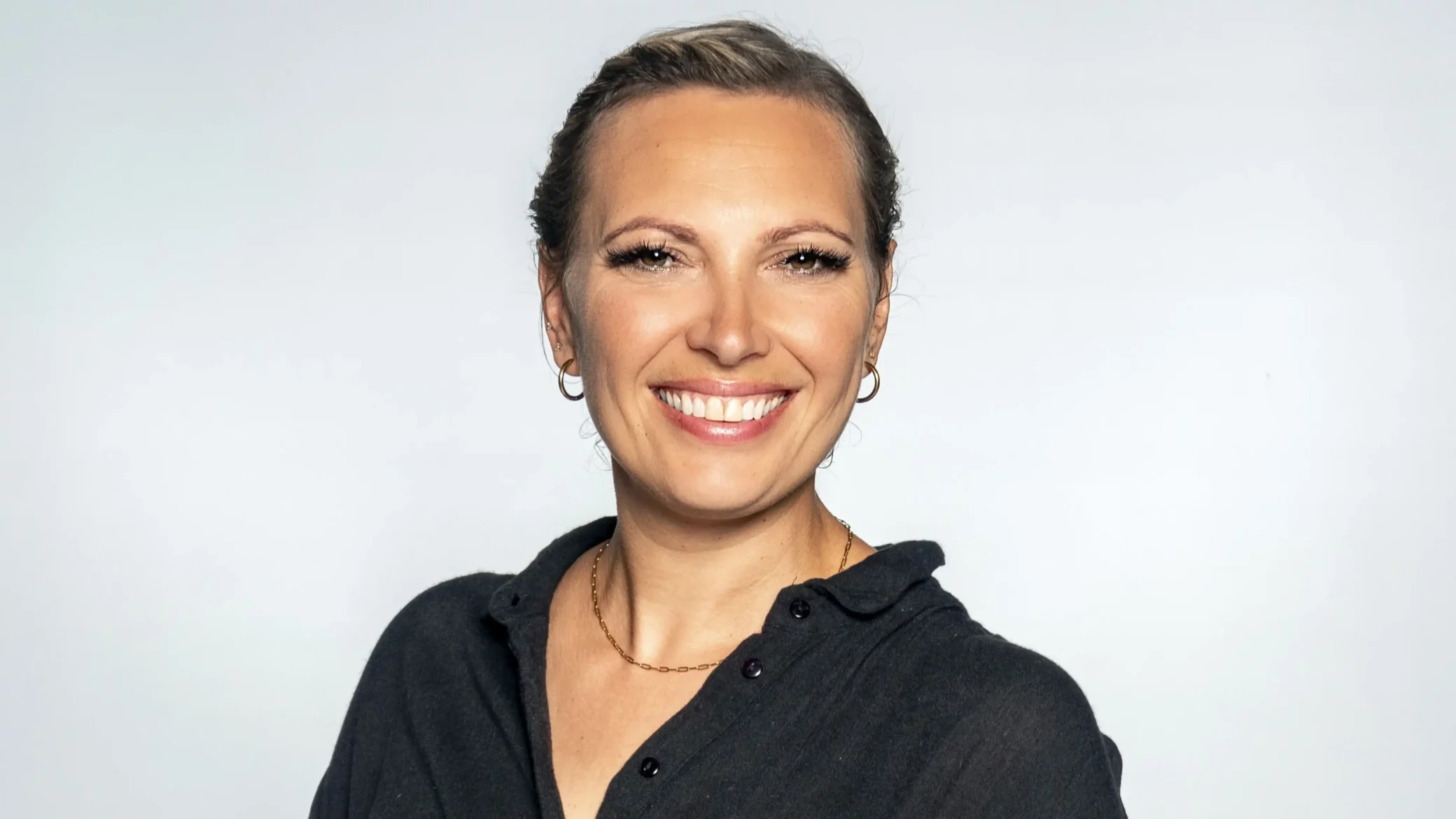
Meet the woman who built an agency on gut instinct, great strategy, and a deep hatred of bad logos.
Lynette Whittaker is our founder and CEO. With roots in fine art and a career that wound through publishing and advertising before landing her squarely in entrepreneurship, Lynette has never done things the conventional way. And that’s exactly the point.
Grindstone was born from a side-hustle and a conviction: that smart, strategic branding shouldn’t be reserved for corporates with bottomless budgets. Seventeen years, a global pandemic, and a few hard-won lessons later, that conviction hasn’t budged; it’s only sharpened.
In this first instalment of our Getting to Know Grindstone series, Lynette gets refreshingly candid about bad partnerships, beautiful wine, why she’ll never leave Mossel Bay, and what it really means to build a brand that lasts.
What inspired you to found Grindstone, and what gap in the agency world were you determined to change?
I’ve always had a visceral reaction to ugly logos and half-baked branding — it physically pains me. So I started fixing them myself. Fine art background, detour through publishing, then advertising… Grindstone began as a sneaky side-hustle while I ran The Business Finder. Freelance designs for my directory clients snowballed until I had no choice but to hire help. Suddenly, I had an agency. My fire still burns for brand development, but at sane prices. There’s a massive middle-market gap: big corporates get the glossy agencies, startups scrape by with dodgy Canva jobs. We bridge that with clever, strategic work that doesn’t require remortgaging the house. Strategy is non-negotiable here. (Though we’ll happily roll up our sleeves for corporates — we’ve loved every one we’ve worked with!)

How has your leadership style evolved since Grindstone’s early days?
I’ve stopped taking everything personally. Staff move on. Clients shop around. It’s business, not betrayal. I no longer sweat the uncontrollable: recessions, pandemics, acts of God. Faith keeps me grounded: everything happens for a reason, and we adapt. We pivot, resize, reinvent. Seventeen years later, we’re still standing. I aim to lead by example as someone who genuinely cares about the team. We all have to earn a living — might as well do it in a place where people feel valued, supported, and occasionally spoiled with Friday afternoon wine sessions.
What does “strategy-first” really mean in practice at Grindstone?
Picture this: I once had to get to a remote corner of South Sinai, Egypt, with zero clue about the country, transport, or whether two women travelling alone would survive the local taxi chaos. The goal was clear — reach the destination. The strategy? A mad scramble of flights, buses, bookings, and cultural navigation hacks. No plan = no arrival. Same with marketing. Clients know their dream destination. We map the route: who are you talking to? What makes them care? Why choose you? Without strategy, even a monster ad budget is just expensive noise. We build the roadmap so every rand spent moves the needle.
Which decisions over the years have shaped the agency most?
Plenty of spectacularly bad ones. I’m a serial entrepreneur. I get starry-eyed over shiny ideas, charge ahead without enough due diligence, and trust people too quickly. (Yes, the irony of preaching strategy while occasionally ignoring it is not lost on me.) Bad partnerships taught me hard lessons in governance, contracts, and resilience more than any MBA could. The best decision? Keeping our HQ in beautiful Mossel Bay. I questioned it endlessly — could we grow faster in a big city? But I wanted to raise my kids here, and my team feels the same. Quality of life trumps “stuff.” That small-town choice defines us: we value people over flash, quality over quantity, and treat every client’s business like our own.
How do you balance creative ambition with commercial reality?
They rarely balance perfectly. We dream big, “out-of-the-box” concepts, but if they don’t fit the client’s vision or actually sell product, they stay in the dream drawer. Most people remember flashy Super Bowl ads, but they buy because of the repetitive, jingly Omo spots that hammer home the message. We chase the sweet spot: creative enough to stand out, practical enough to convert. When it clicks, it’s magic.

What lessons has the marketing industry taught you the hard way?
Resilience. Adaptability. The industry never stands still. It shapes behaviour, so we must evolve or vanish (hello, AI). Change sneaks up fast; we have to anticipate it. It’s also not the glamorous party people imagine. Long hours, tough clients, fierce competition, and often thankless. When a client thrives, it’s their genius. When things tank, it’s our fault. I’ve had one beautiful exception: a client who, after nine years, publicly credited our branding for their success. That letter is framed forever. Biggest takeaway: take nothing personally. It’s just business.
How do you find clarity and accountability in a fast-moving agency environment?
We’re constantly tweaking systems and processes. The boring truth: admin is the silent killer. Crystal-clear briefs, timelines, approvals, and invoicing keep the magic alive. Without them, even brilliant creative crumbles.
What role does storytelling play in effective brand strategy today?
Essential. People don’t buy products — they buy stories, emotion, connection. A brand’s power lies in the humans and journey behind it, not just the thing on the shelf.
How do you stay ahead of change in digital marketing and client expectations?
Network relentlessly. Devour blogs, podcasts, industry chatter. Share openly with other agencies. Competition is a myth; collaboration wins. No one knows everything. We learn from each other, borrow strengths, and stay sharp in this shape-shifting landscape.
What advice would you give to founders building agencies in crowded markets?
Nail what you do brilliantly, then own it. The “full-service everything” era is fading. Pick your lane — creative strategy, paid media, whatever lights you up — carve a niche, deliver impeccably, and the right clients will find you.
How does your love of wine influence your thinking about brand, craft, and patience?
Great wine takes time. So does a great brand. No overnight fame. Sometimes simplicity wins — like a perfect single cultivar over a fussy blend. Keep it honest, focused, elegant. (Though if you’re a complex Bordeaux red, I’m still buying.)

What does success look like for Grindstone in the next three to five years?
In three: a tight, ridiculously talented core team, a brag-worthy roster of freelancers and clients, salaries everyone deserves, and a legendary year-end bash in Mozambique. In five: cemented as go-to leaders in creative strategy and hospitality marketing.
What are the most common mistakes businesses make with branding?
Listening to friends and family instead of experts. Worse: undervaluing the brand itself. Businesses pour millions into premises, stock, staff… then skimp on branding. “My niece’s mate did a logo on Canva — it’s fine for now.” Cue internal screaming. Your brand is your biggest asset. When selling a business, buyers pay premiums for the name, not the inventory. (Classic example: In 1998, Volkswagen bought the Rolls-Royce factory and cars for hundreds of millions but missed the brand name and logo — BMW quietly snapped those up for far less and ended up owning Rolls-Royce. The brand was worth more than the metal.)

How do you approach building long-term client partnerships?
We become an extension of their team. We’re as invested in their success as our own. No project is “just a logo” or “just a website” — we see the long game. When they win, we win. That mindset builds partnerships, not transactions.
What keeps you motivated after nearly two decades in the industry?
It’s never dull. Every day brings new challenges, tech, pitches, wins. (If I were a dentist, I’d have lost the plot years ago.) The real fuel? Delivering a campaign that makes a client beam. The quiet high of knowing we nailed it behind the scenes. The adrenaline of winning a pitch or launching something bold that works. Advertising is my skydiving — pure dopamine. Cheers to that!